 learndesign
Mitre saw safety
Twelve rules for the sliding mitre saw, with diagrams of the two that cause most accidents, hands inside 150 mm of the blade and sliding the head toward yourself. Read, initial, sign, then cut.
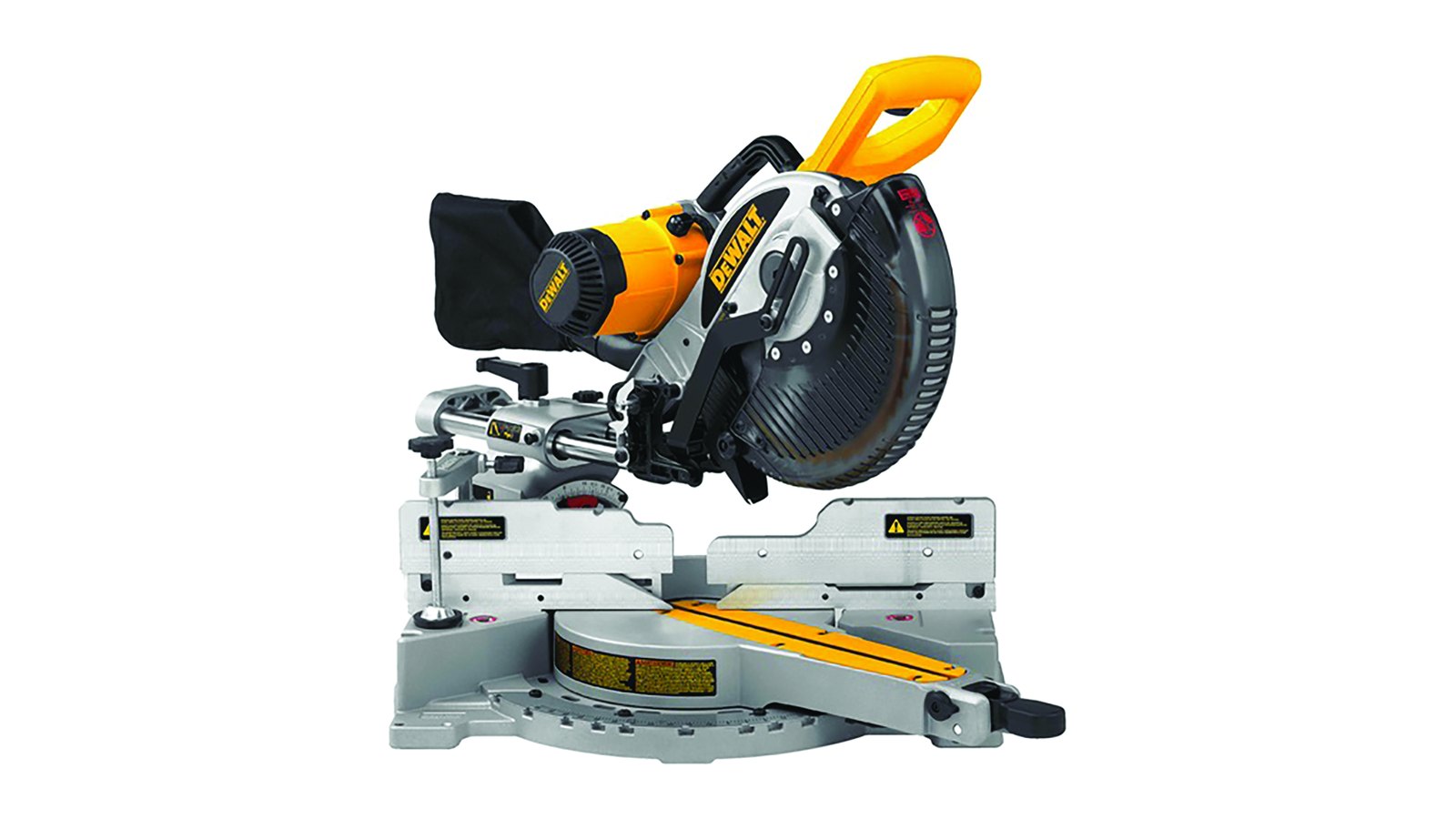
The mitre saw (ours is a DeWalt DW717, a 10-inch double-bevel slider) makes crosscuts and angled cuts in lumber: 2x2, 2x3, 2x4 and the like. The blade comes down into the work, so the two things that go wrong are a hand too close to where it lands, and the head being pulled toward you while it is spinning. Everything below is about keeping those two from happening. The safety sheet you initial and sign is the same twelve rules.
Before you start
- Wear PPE every time. Safety glasses and hearing protection. The saw is loud enough to damage hearing in a single session.
- No loose clothing, jewellery, or untied long hair. Anything that hangs can reach the blade before you notice.
- Keep the work area clear of offcuts, tools and clutter. An offcut under the stock tilts it; a tool on the table ends up in the blade.
What you can cut
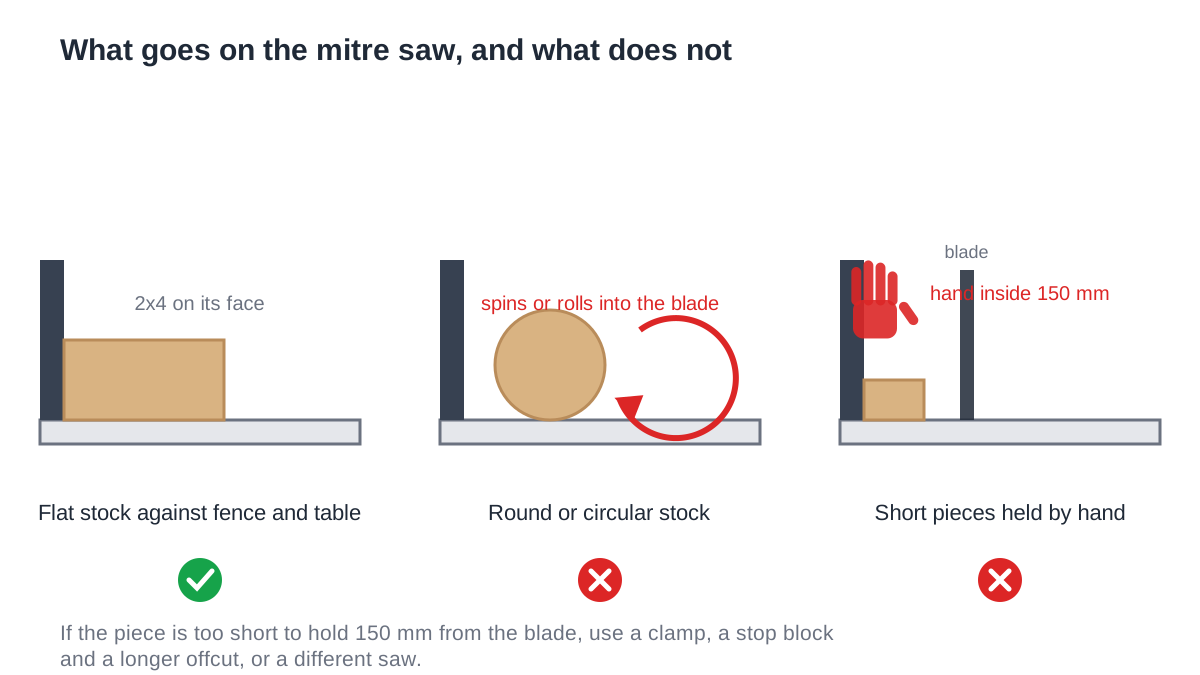
- Never cut circular or round stock. A dowel or a pipe has nothing to hold it against the fence; it spins or rolls into the blade.
- Don’t cut small or short pieces by hand. They put your fingers inside the danger zone. Clamp them, use a stop block with a longer piece, or use a different saw.
Setting up the cut
- Clamp or hold each piece securely before the blade comes down.
- Keep the stock pressed flat against the fence and the table. Both at once. Stock that rocks gets grabbed.
- Support the stock before and after the cut. Long boards need a stand or a helper at the far end so the cut end does not drop and pinch the blade.
Making the cut
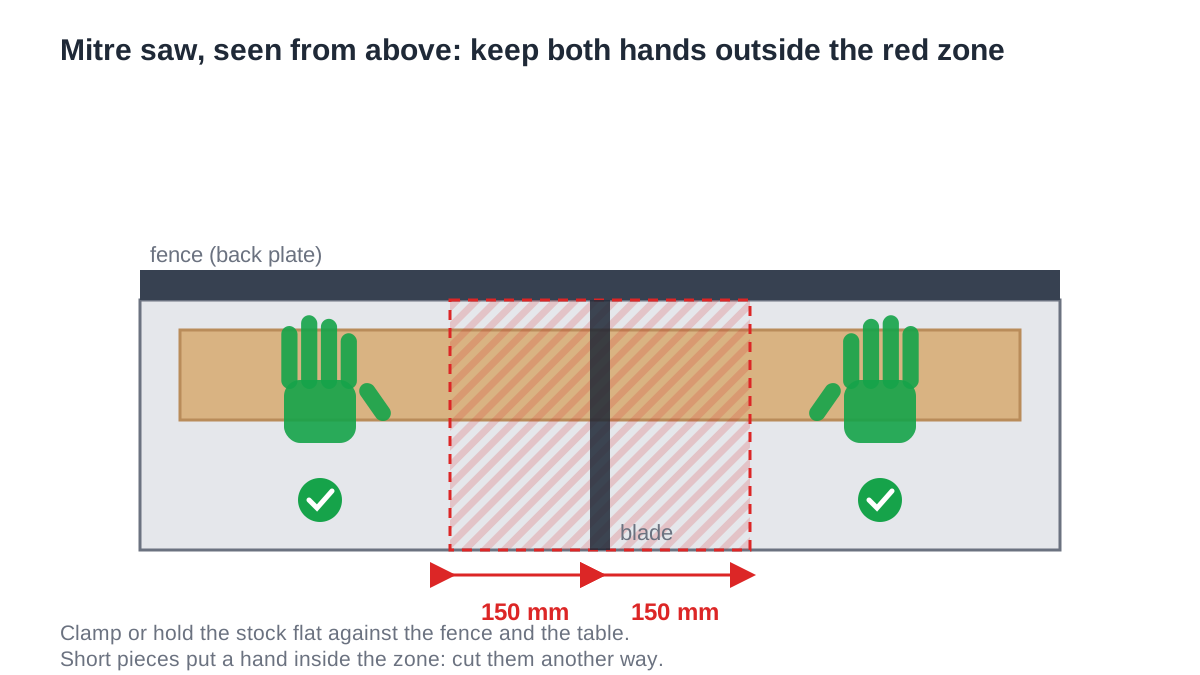
- Keep fingers at least 150 mm (6 in) from the blade. Picture a red band 150 mm wide either side of the blade slot. Hands stay outside it, always.
- Let the blade reach full speed before starting the cut. A blade that meets wood while still spinning up grabs instead of cutting.
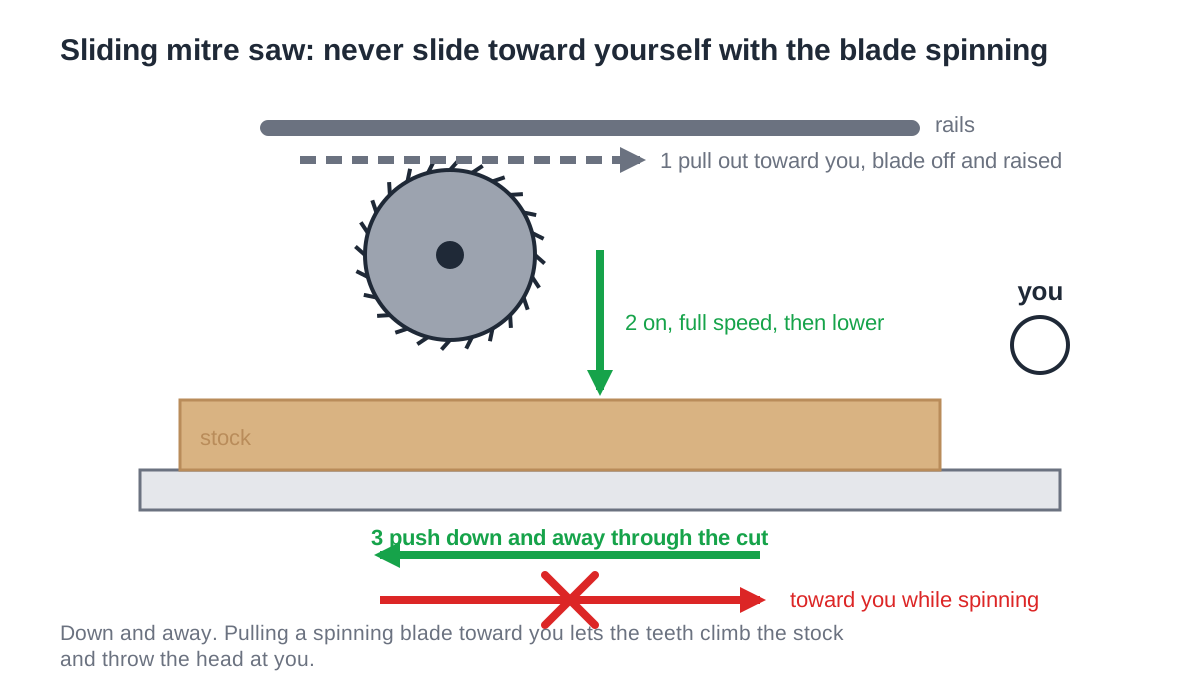
- Sliding: never slide toward yourself with the blade spinning. Pull the head out toward you with the blade off and raised, start it, lower it, then push down and away through the cut. Pulled the other way, the teeth climb the stock and the head comes at you.
After the cut
- Wait for the blade to fully stop before raising it or reaching for offcuts. A coasting blade still cuts, and a raised spinning blade can throw the offcut.
The other saw for sheet goods has its own page: Panel saw safety.
Product photo: DeWalt.