 learndesign
Panel saw safety
Twelve rules for the Safety Speed vertical panel saw, with diagrams of where hands never go, how a crosscut runs top-down, and why a rip cut only feeds one way. Read, initial, sign, then cut.
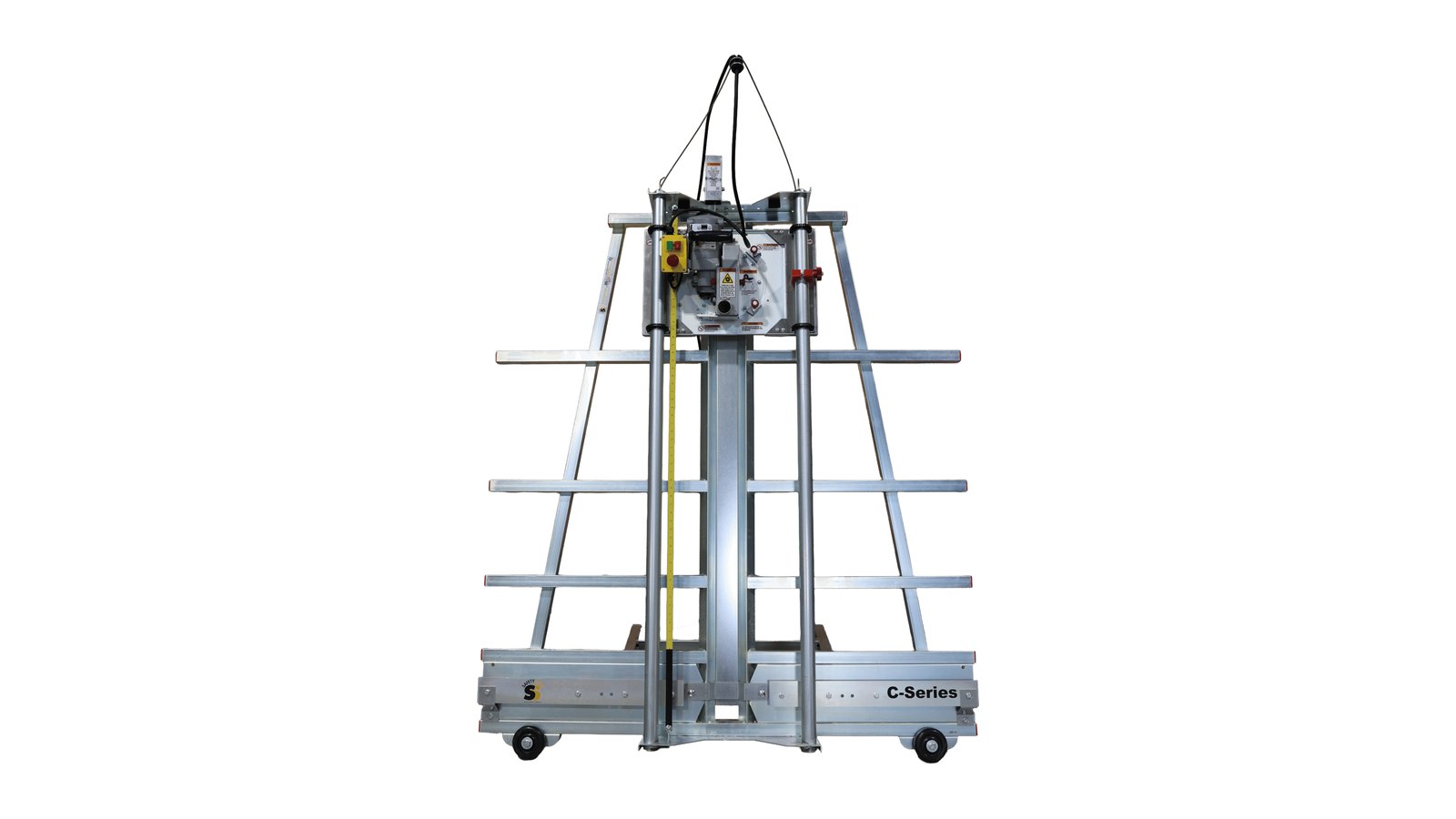
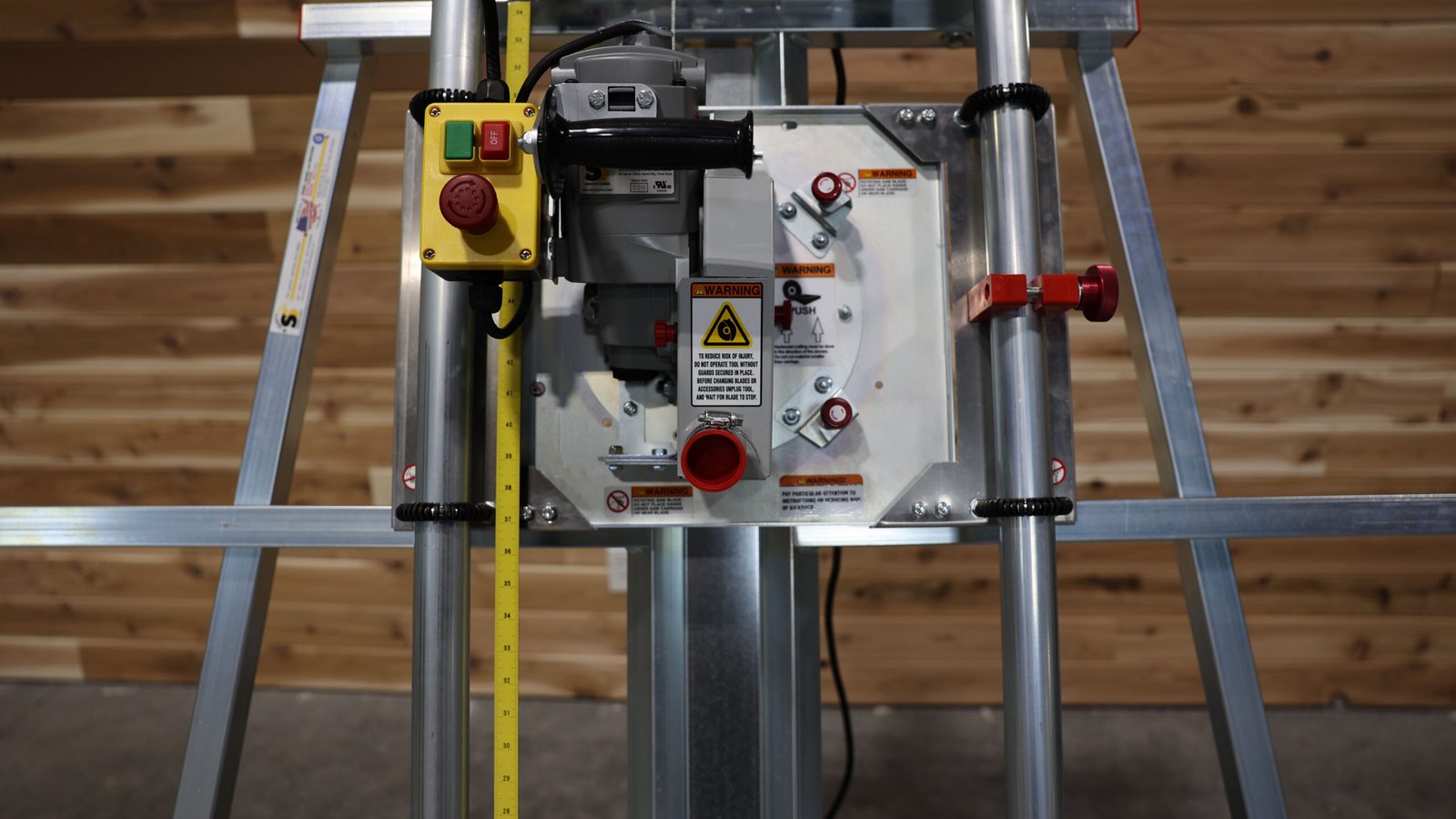
The vertical panel saw (ours is a Safety Speed 6480-20C) breaks down full sheets of plywood, MDF and melamine. The sheet stands on rollers and the motor rides a carriage up and down a track in front of it; for crosscuts you move the carriage, for rip cuts you lock the carriage and move the sheet. Both hands have a job and neither of them is near the blade. The safety sheet you initial and sign is the same twelve rules.
Before you start
- Wear PPE every time. Safety glasses, hearing protection, and a dust mask for dusty cuts. MDF and melamine are the dusty ones.
- No loose clothing, jewellery, or untied long hair.
- Keep the work area clear of offcuts, tools and clutter. Turn the dust collector on before the saw, and never leave the saw running unattended.
What goes on it
- Only flat sheet goods, up to 44 mm (1¾ in) thick. No round stock, nothing badly warped, nothing narrow. Warped sheets rock on the rollers; narrow strips put your hand behind the carriage.
- Check the panel for nails, staples and screws before cutting. Reclaimed sheet is the usual source. Never cut with the blade guard removed.
- Don’t cut pieces that are too small. If your hand would have to be behind the carriage to hold the piece, it belongs on a different saw.
Supporting the panel
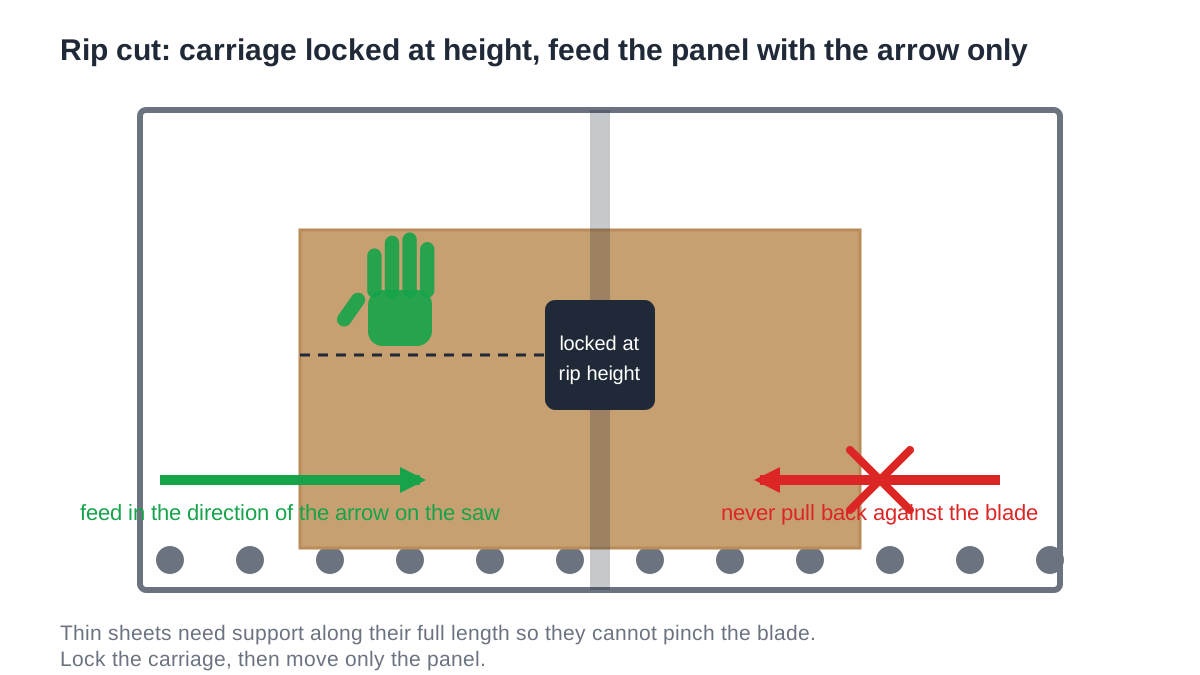
- Support the panel on at least two rollers and make sure it is stable before cutting. Thin sheets need support along their full length so they cannot sag and pinch the blade.
Where hands go
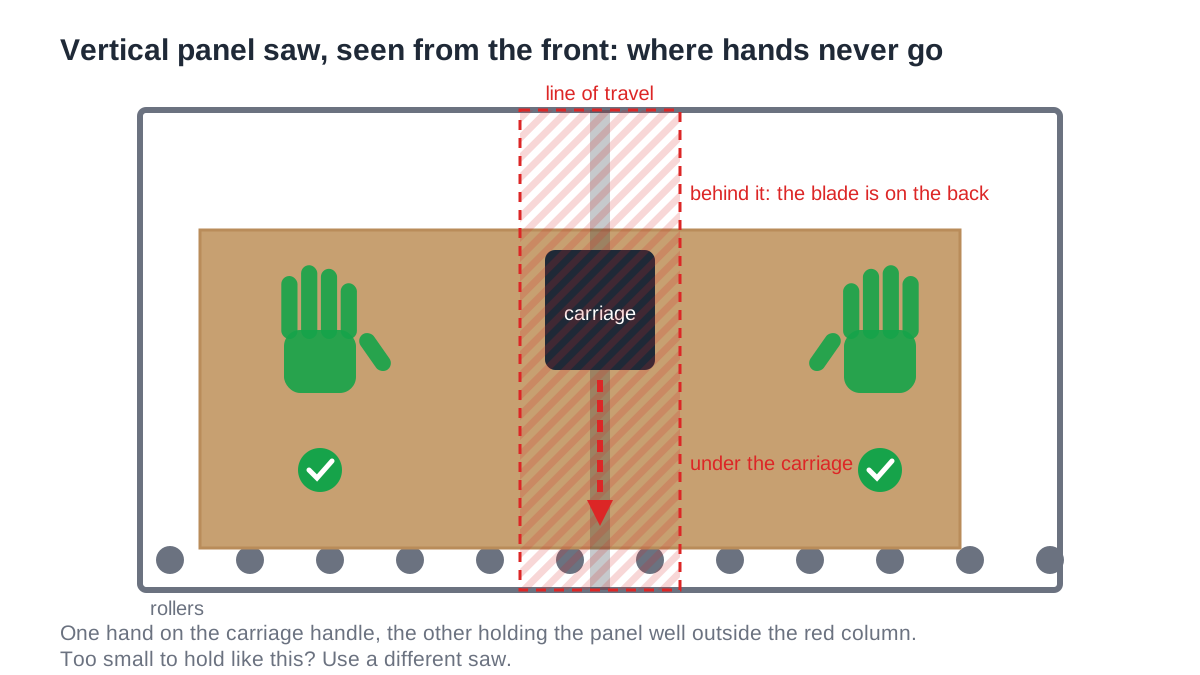
- Keep hands clear of the carriage and the blade path. Never under the carriage, never behind it, never in line with its travel. One hand runs the carriage handle; the other holds the panel well off to the side.
Crosscuts
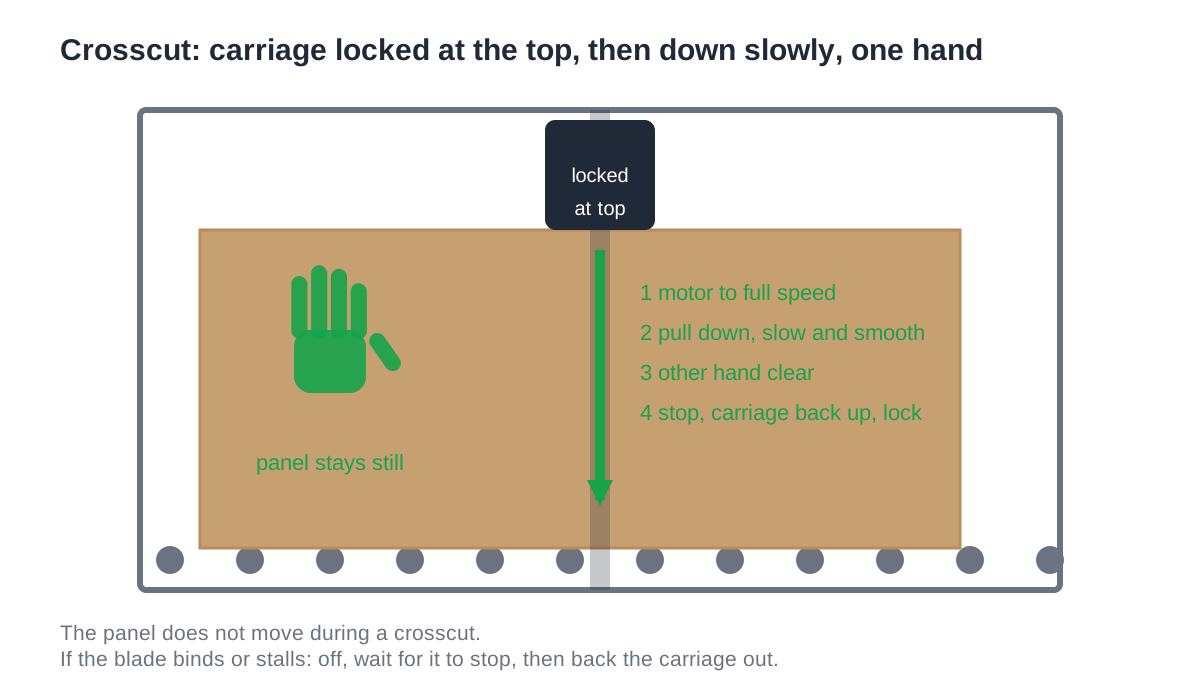
- Crosscut from the top down only. Start with the carriage locked at the top. Let the motor reach full speed, then pull the carriage down slowly and smoothly with one hand, keeping the other hand clear. The panel does not move.
Rip cuts
- Lock the carriage at the set height and feed the panel in the direction of the arrow only. Never pull it back against the spinning blade. If the cut has to be redone, stop the saw first.
If something goes wrong
- Never force the cut. If the blade binds or stalls, turn the saw off, wait for it to stop, then back the carriage or the panel out. Forcing a stalled blade is how a panel gets thrown.
After the cut
- Wait for the blade to fully stop before removing offcuts or moving the carriage. Return the carriage to the top and lock it after every cut, so the next person finds it where the crosscut starts.
Lumber goes on the other saw: Mitre saw safety.
Product photos: Safety Speed Manufacturing.